
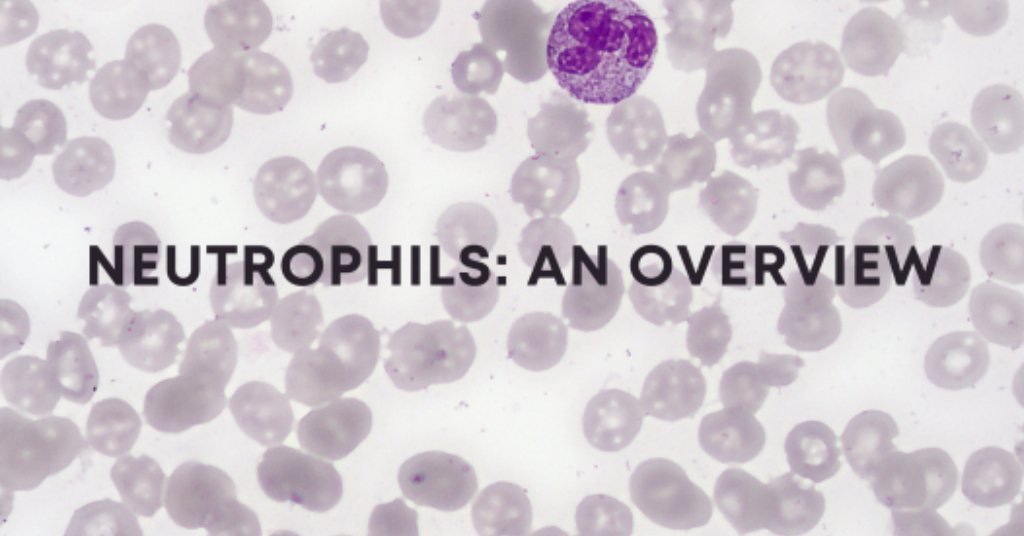
Technical Note: Neutrophils and their Markers
Neutrophils form the first line of defense against invading pathogens. These abundant granulocytes, constituting 50-70% of circulating white blood cells, are the body’s rapid responders, armed with potent antimicrobial weaponry and an impressive arsenal of cell surface markers. A part of the polymorphonuclear cells family (PMNs) together with basophils and eosinophils, they are formed from stem cells in the bone marrow and differentiated into subpopulations of neutrophil-killers and neutrophil-cagers. Under homeostatic conditions, neutrophils enter the circulation, migrate to tissues, where they complete their functions, and finally are eliminated by macrophages, all in the lapse of a day.
Traditionally viewed as terminally differentiated cells with the sole purpose of killing microorganisms, recent research has revealed a far more complex picture. Understanding these markers is crucial not only for dissecting neutrophil function but also for unlocking their therapeutic potential and revealing their intricate roles in both health and disease. This brief blog delves into the exciting world of neutrophil heterogeneity and functional versatility, highlighting their diverse roles beyond simple microbial eradication.

Neutrophils: An Overview
Emerging from the bone marrow, neutrophils’ primary function is to eliminate invading pathogens, particularly bacteria and fungi, through various mechanisms including:
-
Phagocytosis: Engulfing and destroying pathogens within specialized compartments called phagosomes.
-
Degranulation: Releasing antimicrobial enzymes and peptides stored in granules, such as myeloperoxidase, defensins, and cathelicidins, to directly attack and kill microbes.
-
Neutrophil extracellular traps (NETs):Expelling a web-like structure composed of DNA and antimicrobial proteins, trapping and immobilizing pathogens for subsequent destruction.
These functions were considered, until recently, the only purpose of neutrophils. However, current research by investigators in several fields of neutrophil cell biology has revealed that neutrophils possess a much diverse repertoire of functional responses that go beyond the simple killing of microorganisms. Neutrophils respond to multiple signals and respond by producing several cytokines and other inflammatory factors that influence and regulate inflammation and also the immune system. Neutrophils contribute to inflammatory responses by releasing pro-inflammatory mediators and recruiting other immune cells to the site of infection. Additionally, their immunosuppressive functions help regulate inflammation and prevent excessive tissue damage.
Identifying Neutrophil Markers
Deciphering the complex biology of neutrophils requires reliable identification. A diverse set of cell surface markers serve as unique identifiers, allowing researchers to distinguish them from other immune cells. These markers play crucial roles in various neutrophil functions, acting as receptors for adhesion, chemotaxis, and activation.
Neutrophil Heterogeneity and Functional Versatility
Phenotypic and functional differences between neutrophils have been identified, leading to the discovery of distinct subpopulations with specialized functions. These variations can involve the expression of surface markers, the production of specific cytokines and chemokines, and their ability to respond to stimuli.
One example of such heterogeneity is the distinction between low-density and high-density neutrophils. Low-density neutrophils display enhanced phagocytosis and oxidative burst, making them more potent killers. High-density neutrophils, on the other hand, are more migratory and exhibit a pro-inflammatory profile, contributing to inflammation resolution. Further research has identified additional subpopulations, such as immature neutrophils and G-MDSCs, each with unique functionalities crucial for immune response modulation.
Sub-populations:
-
Low-density neutrophils (LDNs): Characterized by enhanced phagocytosis and oxidative burst, LDNs are the “elite killers” of the neutrophil population.
-
High-density neutrophils (HDNs): With greater migratory and pro-inflammatory properties, HDNs contribute to inflammation resolution and tissue repair.
-
Immature neutrophils: These recently released bone marrow-derived neutrophils exhibit unique functions, including modulation of T cell responses and antigen presentation.
-
G-MDSCs (granulocytic myeloid-derived suppressor cells): Suppressing T cell function and promoting tumor growth, G-MDSCs are associated with poor prognosis in various cancers.
Surface Markers:
-
CD16: High expression of CD16 defines a subpopulation of neutrophils with enhanced phagocytic and cytotoxic capacity, contributing to rapid microbial clearance.
-
CXCR4: This chemokine receptor identifies a subpopulation with potent migratory abilities, particularly towards tumor sites.
-
CD62L (L-selectin): Expressed on naive neutrophils, CD62L facilitates rolling adhesion to endothelial cells, enabling extravasation into inflamed tissues.
-
Siglec-9: This sialic acid-binding lectin is present on immature neutrophils and regulates their lifespan and inflammatory response.
-
Ly6G: A GPI-anchored protein specifically expressed on mature neutrophils. It plays a crucial role in neutrophil adhesion and migration.
-
CD11b/CD18 (integrin αMβ2): This integrin heterodimer mediates neutrophil adhesion to endothelial cells and extracellular matrix components, facilitating their migration into inflamed tissues.
-
Gr-1 (Ly6C/Ly6G): This complex marker, consisting of two Ly6 proteins, identifies both neutrophils and monocytes in mice. It is often used in conjunction with other markers for more precise identification.
-
CD45: This ubiquitous leukocyte common antigen is expressed on all nucleated hematopoietic cells, including neutrophils. It plays a role in signal transduction and cell activation.
-
CD66b: This adhesion molecule mediates neutrophil rolling and adhesion on endothelial cells, promoting their extravasation into inflamed tissues.
-
CD15 (Lewis X antigen): This carbohydrate antigen is expressed on neutrophils and some other cell types. It serves as a ligand for selectins, facilitating neutrophil adhesion to endothelial cells.
Neutrophils in Pathways and Signaling:
For instance, CD11b/CD18 activation upon binding to specific ligands triggers downstream signaling cascades, leading to cytoskeletal rearrangements and enhanced phagocytosis. Similarly, CD16 engagement promotes phagocytic engulfment through antibody-dependent mechanisms.
-
PI3K/Akt/mTOR pathway: This signaling cascade regulates neutrophil survival, migration, and phagocytosis.
-
MAPK pathways: These pathways control neutrophil activation, degranulation, and production of inflammatory mediators.
-
JAK/STAT pathway: This signaling cascade plays a crucial role in neutrophil differentiation and function, including the development of G-MDSCs.
Neutrophil Research for Therapeutic and Immune Understanding
Understanding neutrophil markers extends beyond simple identification. These markers act as keys to unlocking the therapeutic potential of neutrophils. By studying these markers and their associated pathways, researchers can:
-
Develop targeted therapies: Specific antibodies or drugs can be designed to modulate neutrophil function through these markers. For instance, targeting CD66b could potentially block neutrophil extravasation and reduce inflammation in autoimmune diseases.
-
Improve diagnosis and prognosis: Neutrophil markers can be used as diagnostic tools to identify and monitor neutrophil-mediated diseases. Additionally, certain marker profiles might indicate disease severity or predict patient response to specific treatments.
-
Unravel immune mechanisms: Studying the roles of neutrophil markers in various diseases can shed light on the complex immune responses and their contributions to disease pathogenesis. This knowledge can inform the development of more effective immunotherapies.
Some current research initiatives include:
-
Targeting NET formation: NETs can contribute to tissue damage in various conditions. Researchers are developing strategies to regulate NET release for therapeutic benefit.
-
Modulating neutrophil migration: Controlling neutrophil migration into inflamed tissues could be a promising approach for treating
Neutrophil Roles Beyond Killing Microorganisms
While their microbicidal activity remains undeniable, neutrophils contribute to numerous other immune processes. They actively produce an array of cytokines, chemokines, and other inflammatory mediators, orchestrating the recruitment and activation of other immune cells. Neutrophils also participate in the resolution of inflammation by releasing anti-inflammatory mediators and promoting tissue repair. Additionally, they interact with and regulate macrophages, shaping the long-term immune response. Non-cytotoxic functions include:
-
Production of cytokines and chemokines: Neutrophils release a diverse array of inflammatory mediators, recruiting and activating other immune cells, orchestrating the immune response.
-
Regulation of inflammation: Neutrophils contribute to inflammation resolution by releasing anti-inflammatory mediators and promoting tissue repair.
-
Modulation of immune responses: Neutrophils interact with and regulate macrophages, shaping the long-term immune response.
-
Angiogenesis: Neutrophils can promote the formation of new blood vessels, crucial for tissue healing and wound repair.
-
Immunological memory: Emerging evidence suggests a potential role for neutrophils in innate immune memory, contributing to long-term protection against pathogens.

Neutrophil Subpopulations in Cancer
The presence of distinct neutrophil subpopulations in cancer opens up exciting avenues for therapeutic intervention. Targeting specific subpopulations could offer novel approaches to modulate tumor immunity and suppress cancer growth. Additionally, understanding the mechanisms underlying neutrophil-cancer interactions could lead to the development of biomarkers for early cancer detection and prognosis.
Several studies are currently exploring the therapeutic potential of targeting specific neutrophil subpopulations.
-
Tumor-promoting effects: Certain neutrophil subpopulations, such as G-MDSCs, can suppress anti-tumor immune responses, promoting tumor growth, invasion, and metastasis.
-
Immune evasion: Neutrophils can contribute to the creation of an immunosuppressive tumor microenvironment, enabling cancer cells to evade immune attack.
-
Therapeutic targets: Targeting specific neutrophil subpopulations offers promising avenues for cancer immunotherapy.
However, further research is needed to translate these findings into effective clinical therapies.
Future Directions: Unveiling the Mysteries of Neutrophils
Understanding the intricate roles of neutrophils in health and disease holds immense therapeutic potential. Future research should focus on:
-
Further characterization of neutrophil subpopulations: Elucidating the precise functions and developmental origins of distinct neutrophil subsets is crucial for targeted therapeutic interventions.
-
Investigating neutrophil interactions with other immune cells: Unravelling the complex interplay between neutrophils and other immune players like macrophages and T cells is essential for understanding immune regulation.
-
Exploiting the therapeutic potential of neutrophils: Targeting specific neutrophil subpopulations or their signaling pathways could lead to novel immunotherapies for various diseases, including cancer and autoimmunity.
-
Developing diagnostic tools and biomarkers: Identifying neutrophil-specific markers and signatures could enable early diagnosis and personalized treatment strategies.
Conclusion
Neutrophils are far more than just simple killers. Their heterogeneity and functional versatility paint a picture of a highly adaptable and dynamic cell population crucial for maintaining immune homeostasis. Understanding the complex roles of neutrophils in health and disease is essential for developing novel therapeutic strategies. Future research should continue to explore the diverse functions of neutrophil subpopulations, particularly in the context of cancer, and identify potential targets for therapeutic intervention. By unraveling the mysteries surrounding these fascinating cells, we can unlock new opportunities for improving human health.
References:
- Abbas, Abul K., and Andrew H. Lichtman. “Basic immunology: Functions and disorders of the immune system.” Elsevier, 2018.
- Brinkmann, Volker, and Ulf-Peter Jäkel. “Neutrophils: versatile effector cells in innate immunity and aging.” Current Biology 23.15 (2013): R688-R693.
- Soehnlein, Oliver, and Ulrich von Andrian.
- Aaes, T. L., Kaczmarek, A., Delvaeye, T., De Craene, B., De Koker, S., Heyndrickx, L., et al. (2016). Vaccination with necroptotic cancer cells induces efficient anti-tumor immunity. Cell Rep. 15, 274–287. doi: 10.1016/j.celrep.2016.03.037
- Berger-Achituv, S., Brinkmann, V., Abed, U. A., Kühn, L. I., Ben-Ezra, J., Elhasid, R., et al. (2013). A proposed role for neutrophil extracellular traps in cancer immunoediting. Front. Immunol. 4:48. doi: 10.3389/fimmu.2013.00048
- Bonaventura, A., Liberale, L., Carbone, F., Vecchié, A., Diaz-Cañestro, C., Camici, G. G., et al. (2018). The pathophysiological role of neutrophil extracellular traps in inflammatory diseases. Thromb. Haemost. 118, 6–27. doi: 10.1160/TH17-09-0630
- Bratton, D. L., and Henson, P. M. (2011). Neutrophil clearance: when the party is over, clean-up begins. Trends Immunol. 32, 350–357. doi: 10.1016/j.it.2011.04.009
- Cloke, T., Munder, M., Taylor, G., Müller, I., and Kropf, P. (2012). Characterization of a novel population of low-density granulocytes associated with disease severity in HIV-1 infection. PLoS ONE 7:e48939. doi: 10.1371/journal.pone.0048939
- Galluzzi, L., Senovilla, L., Zitvogel, L., and Kroemer, G. (2012). The secret ally: immunostimulation by anticancer drugs. Nat. Rev. Drug Discov. 11, 215–233. doi: 10.1038/nrd3626
- Gorlino, C. V., Ranocchia, R. P., Harman, M. F., García, I. A., Crespo, M. I., Morón, G., et al. (2014). Neutrophils exhibit differential requirements for homing molecules in their lymphatic and blood trafficking into draining lymph nodes. J. Immunol. 193, 1966–1974. doi: 10.4049/jimmunol.1301791
- Mayadas, T. N., Cullere, X., and Lowell, C. A. (2014). The multifaceted functions of neutrophils. Annu. Rev. Pathol. 9, 181–218. doi: 10.1146/annurev-pathol-020712-164023
- Nauseef, W. M., and Borregaard, N. (2014). Neutrophils at work. Nat. Immunol. 15, 602–611. doi: 10.1038/ni.2921
- Rosales, C. Neutrophil: A Cell with Many Roles in Inflammation or Several Cell Types? Front. Physiol. 2018, 9, 113.

