
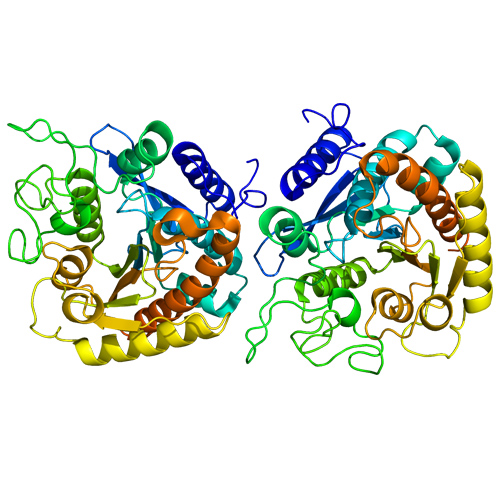
Krishzyme Recombinant Carboxypeptidase B, also known as peptidyl-L-lysine (L-arginine) hydrolase; arginase, is a digestive enzyme that plays a crucial role in biological systems. It primarily participates in the digestion process by specifically hydrolyzing the basic amino acid residues at the C-terminal end of proteins.
Recombinant Carboxypeptidase B degrades peptide chains from the C-terminal end, releasing free amino acids one by one. It specifically hydrolyzes peptide bonds of lysine, arginine, or histidine (to a lesser extent), which are all basic and positively charged amino acids.
Recombinant Carboxypeptidase B is a metalloproteinase with a zinc ion in its active centre, which is essential for its catalytic activity. The zinc ion is typically located in the enzyme’s active centre and participates in substrate binding and catalytic reactions.
Krishzyme Recombinant Carboxypeptidase B is produced by recombinant E. coli expression, with an amino acid sequence identical to that of pancreatic carboxypeptidase B. It possesses the same enzymatic properties as animal-derived carboxypeptidase B and can be used as a substitute for animal-derived carboxypeptidase B in various biotechnological processes.
Recombinant Carboxypeptidase B has multiple important applications in the biotechnology field, particularly in protein engineering, drug development, and biopharmaceuticals. Some specific applications of carboxypeptidase B are as follows:
1. Determination of C-terminal amino acids of proteins
2. Production and processing of biopharmaceuticals
3. Protein Function Research
4. Protein Modification and Labelling
5. Preparation of Biological Materials
Krishzyme Recombinant Carboxypeptidase B maintains the same specificity and activity as animal-derived carboxypeptidase B, with a specific activity over 170 U/mg. It can replace traditional carboxypeptidase B extracted from animal pancreas for use in biotechnological processes such as drug synthesis and biological sample processing. Recombinant carboxypeptidase B produced through this technology is free from trypsin and other contaminating enzymes and protease inhibitors, offering higher specificity and avoiding potential cross-reactions and inhibitions.