Introduction: Neutrophil Extracellular Traps (NETs) refer to the web-like extracellular structures released by activated neutrophils during NETosis, composed of decondensed chromatin (DNA) decorated with nuclear and granule-derived proteins, including citrullinated histones, myeloperoxidase (MPO), and neutrophil elastase (NE). NETs are the biological phenomenon itself, not a single measurable analyte.
MPO-DNA complex is a surrogate biomarker used to indirectly detect NET formation in plasma or serum via sandwich ELISA (typically anti-MPO capture antibody with anti-DNA detection, or the reverse). It measures one specific molecular association DNA bound to myeloperoxidase ? as a proxy for circulating NETs, not NETs directly.
H3Cit-NE is a distinct surrogate biomarker complex citrullinated histone H3 (a product of PAD4-driven citrullination during NETosis) in association with neutrophil elastase. It is quantified via its own dedicated sandwich ELISA and is molecularly and analytically separate from the MPO-DNA assay.
Important distinction: MPO-DNA and H3Cit-NE are two different, non-interchangeable surrogate markers for NET formation. They use different antibody pairs against different molecular targets, and published data indicate they do not necessarily correlate with one another or reliably reflect true circulating NET burden. Neither assay is equivalent to “measuring NETs” in a direct sense each is one indirect line of evidence, and results from one should not be assumed to predict results from the other.
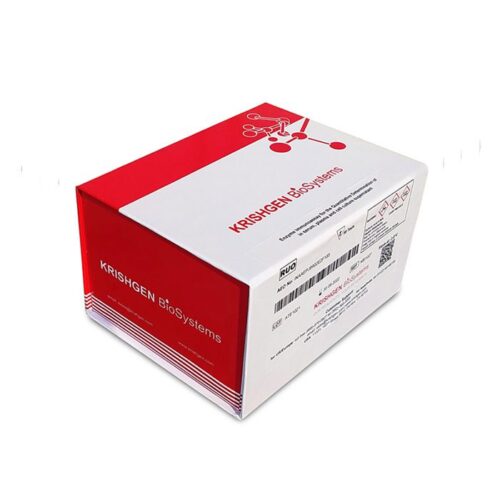
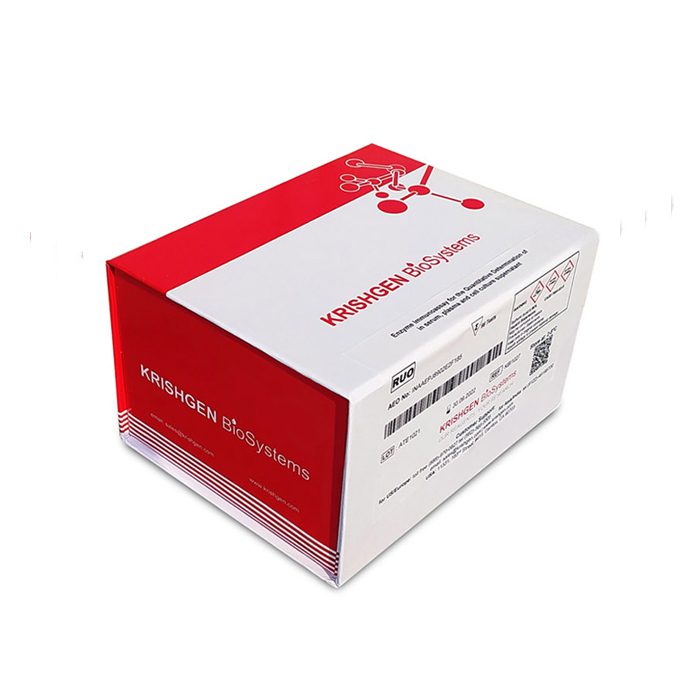
The GENLISA ELISA kits are used for assessing the specific biomarker in samples analytes which may be serum, plasma and cell culture supernatant as validated with the kit. The kit employs a sandwich ELISA technique which leads to a higher specificity and increased sensitivity compared to conventional competitive ELISA kits which employ only one antibody. Double antibodies are used in this kit.
Intended Use: The GENLISA Human H3Cit-NE (Citrullinated Histone H3) / Neutrophil Extracellcular Traps (NETs) ELISA kit is used as an analytical tool for quantitative determination of H3Cit-NE in serum, plasma and other biological samples.
Principle: The method employs sandwich ELISA technique. Antibody:HRP conjugate is added. After washing microwells in order to remove any non-specific binding, the Chromogenic substrate solution is added to microwells and color develops proportionally to the amount of H3Cit-NE in the sample. Color development is then stopped by addition of stop solution. Absorbance is measured at 450 nm.