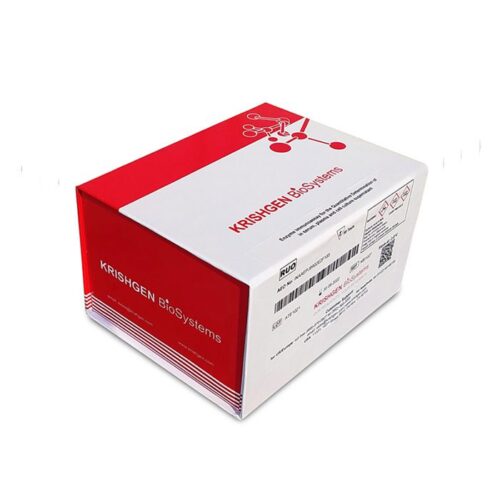
Protein deglycosylation is the enzymatic removal of N-linked and O-linked oligosaccharides (glycans) from glycoproteins, critical for studying protein structure, function, and modification. Common tools include PNGase F for N-glycans and O-Glycosidase for O-glycans. This process reduces molecular heterogeneity, facilitating analysis by SDS-PAGE, Western blotting, or mass spectrometry. Applications include Mass Spectrometry: Enables accurate mass determination and identification of glycans; Protein Characterization: Helps determine the presence, type, and impact of glycosylation on protein function and Cellular Studies: Targeted deglycosylation using specialized tools like nanobody-fused enzymes allows for the removal of specific glycan modifications within living cells.
Key Features:
Single Column / 96-well plate Workflows
Designed for 1 column / 96-well format processing, enabling parallel sample preparation and improved workflow efficiency in batch analysis.
Optimized 3-step Process
Integrates enzymatic digestion, labeling, and SPE-based enrichment/purification into a simplified workflow suitable for high-throughput applications.
Rapid Enzymatic Digestion
PNGase F digestion can be completed in approximately 5 minutes at 50°C, under recommended conditions.
Quick and High Sensitivity Labeling Reaction
Labeling reaction can be completed in approximately 5 minutes at room temperature. The Label Dye optimized for high sensitive applications equivalent to market competitors.
Efficient SPE-based Purification
Solid-phase extraction provides a typical recovery rate of >90%, with a processing time of ≤10 minutes per sample. When combined with a 96-well plate and vacuum manifold system, up to 12 samples can be processed in approximately 1.5 hours under optimized conditions.
Direct Compatibility with LC/LC-MS analysis
SPE-prepared samples can be directly used for LC or LC-MS analysis without additional purification steps.
Applications:
High-throughput N-Glycan Profiling
Designed for parallel preparation and analysis of N-linked glycans from glycoproteins in single column / 96-well format workflows.
Batch Sample Preparation for Glycan Analysis
Suitable for laboratories requiring efficient processing of multiple samples for LC or LC-MS-based glycomics studies.
LC/LC-MS-based Glycan Characterization
Applicable in liquid chromatography and mass spectrometry-based N-glycan analysis for research applications.
FAQs:
Do I adjust the protein concentration in the sample, while keeping the sample volume the same?
Yes, keep the sample addition volume of 20ul, as this may affect the performance of the reaction system. Should you desire, adjust the protein concentration to achieve the desired input amount.
How should the labeling reagent be handled after reconstitution?
The labeling reagent is recommended for immediate use after dissolution. If aliquots are required, do it immediately after reconstitution. The aliquots maybe stored at -80°C for up to 5-7 days
Is precipitation normal after adding acetonitrile?
Yes. The presence of slight precipitation after adding acetonitrile is normal and is caused by phase incompatibility between aqueous and organic solvents. This does not typically affect the reaction performance under recommended conditions.
Can the recommended sample volume be adjusted?
The recommended sample volume is 200ul. This can be adjusted according to specific sample conditions and instrument requirements. Optimization may be required depending on experimental setup.