Call us toll free: +(9122) 4919 8700

Small Molecule GLP-1 Agonists vs Peptide Analogs: What Changes at the Receptor Level?

Oral small molecule GLP-1 receptor agonists represent a significant shift in metabolic pharmacology. Where peptide analogs like Semaglutide and Liraglutide are large, acylated peptides that must be injected subcutaneously, small molecules such as Orforglipron (LY3502970) and Danuglipron are orally bioavailable compounds that fit entirely within the transmembrane binding pocket of GLP-1R. They activate the same […]
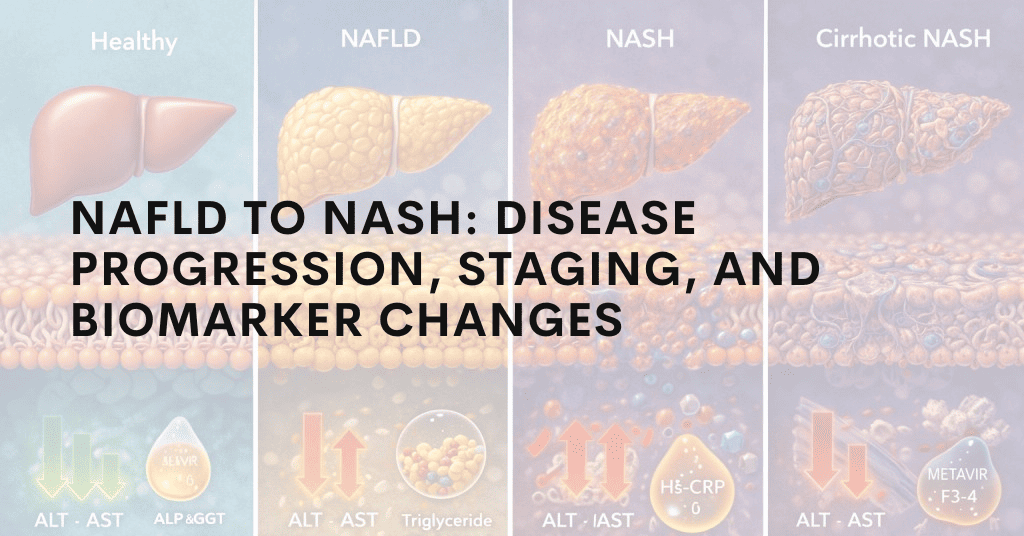
NAFLD to NASH: Disease Progression, Staging, and Biomarker Changes

Non-alcoholic fatty liver disease (NAFLD) is the most common liver condition worldwide, affecting approximately one in four adults globally. For most people it remains stable, but in 20-30% of cases it progresses to non-alcoholic steatohepatitis (NASH)  a state of active inflammation and hepatocellular injury that can advance to fibrosis, cirrhosis, and hepatocellular carcinoma. Understanding where […]

Key Biomarkers Altered by Semaglutide: What Researchers Should Measure

Semaglutide (Ozempic, Wegovy, Rybelsus) is the most widely prescribed GLP-1 receptor agonist, and one of the most studied pharmacological agents in metabolic disease research. Its effects extend well beyond glycaemic control  encompassing appetite regulation, adipose tissue biology, hepatic function, cardiovascular risk markers, and inflammatory mediators. For researchers conducting mechanistic studies, pharmacodynamic assessments, or comparing Semaglutide […]

Tumor Microenvironment as a Therapeutic Target: Determinants of Checkpoint Inhibitor Response and Resistance

Checkpoint blockade therapy is not limited by the absence of immune cells alone — it is limited by the architecture, metabolic state, and regulatory circuitry of the tumor microenvironment (TME). Response to PD-1/PD-L1 or CTLA-4 inhibition requires a pre-existing, tumor-specific T cell response that is restrained rather than absent. Failure occurs when antigen presentation is […]

Cancer Immunotherapy 101: Exploring the PD-1/PD-L1 Pathway

The PD-1/PD-L1 pathway plays a critical role in maintaining immune tolerance and preventing autoimmunity. However, in the context of cancer, its dysregulation by tumors creates a major hurdle for the immune system to eliminate cancer cells. By blocking the PD-1/PD-L1 interaction, we can reinvigorate T cell responses and unleash their antitumor potential. The treatment landscape […]

Hyaluronidase Enzymatic Assay Kits: Principles, Applications, and How to Choose the Right Enzymatic Activity Kit

Why Measuring Hyaluronidase Activity Is Technically Challenging Hyaluronidases are endo-β-N-acetyl-hexosaminidases that catalyze the degradation of hyaluronic acid (HA), a high–molecular-weight glycosaminoglycan that forms the structural backbone of the extracellular matrix (ECM). Accurate quantification of hyaluronidase enzyme activity is critical in: Cancer metastasis research Drug delivery and biologics formulation Reproductive biology Inflammatory disease modeling Venom and […]

Featured Citation Summary: Pulmonary Semaglutide PK Research at DDL 2025 Using KRIBIOLISA™ Semaglutide ELISA

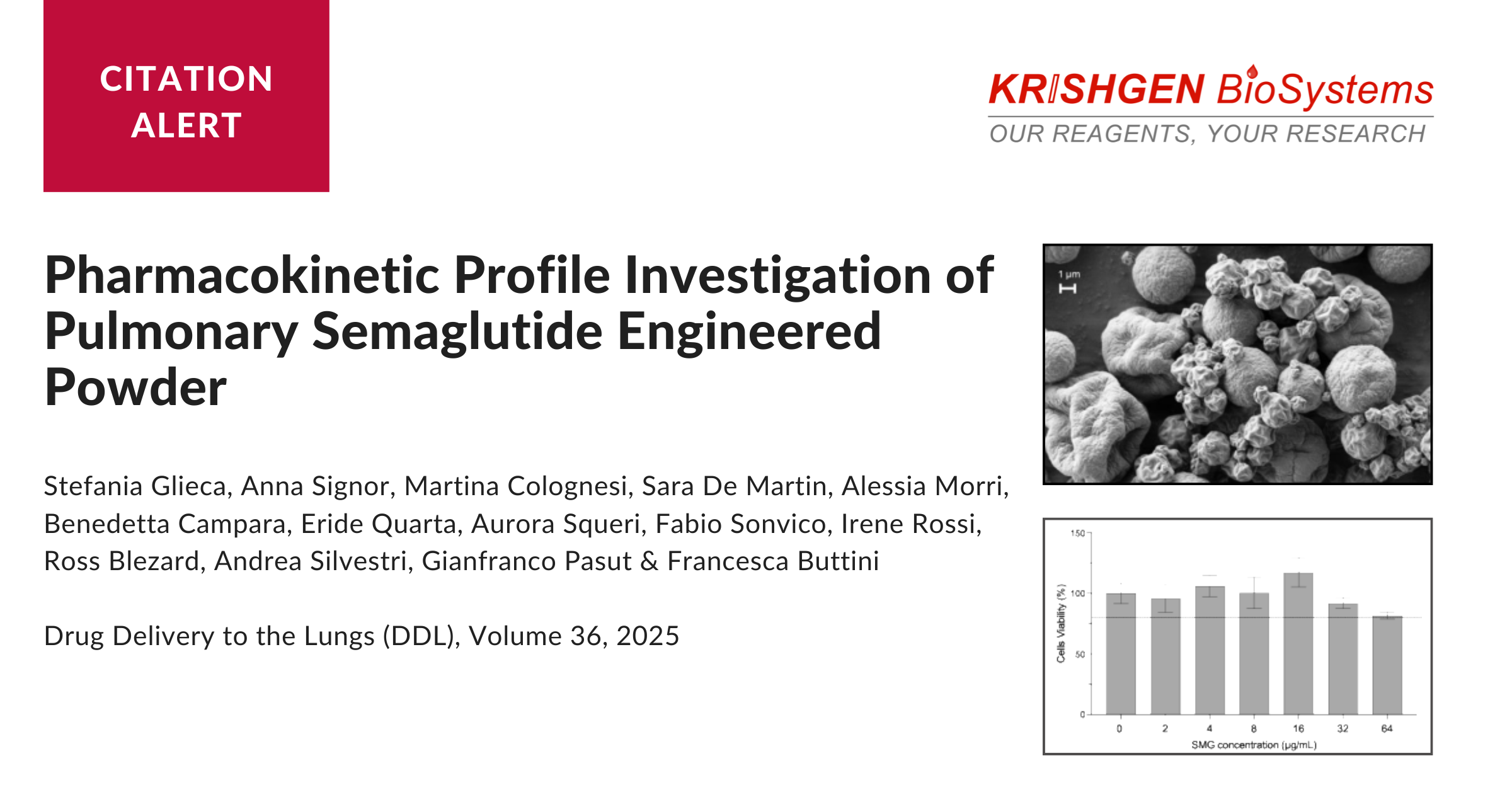
The development of alternative, patient-friendly drug delivery routes for peptide-based therapeutics continues to be a major focus in pharmaceutical research. At the Drug Delivery to the Lungs (DDL) Conference 2025, a peer-reviewed study presented by Glieca et al. explored an innovative approach to delivering semaglutide, a widely used GLP-1 receptor agonist, via the pulmonary route. […]